
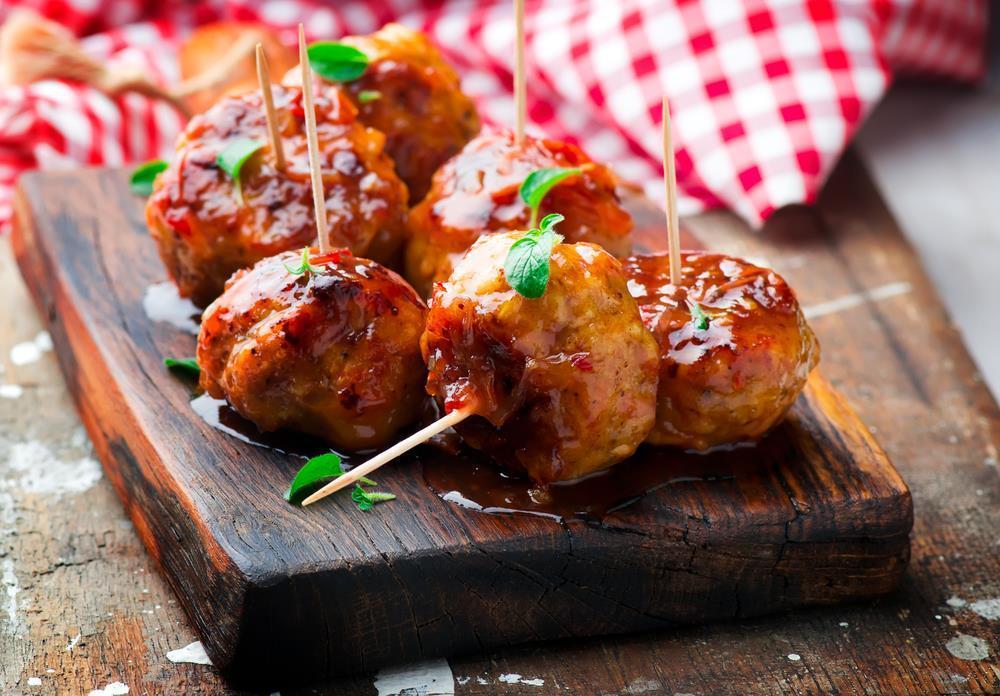
The days of a mystery-meat main course, a limp side of veg, and a slab of fruitcake nobody asked for are fading fast. Couples getting married in 2026 are treating the wedding menu the way they treat every other part of the day, as something that should feel like them, not like a catering package ticked off a list. Guests notice. So do the people photographing the day, who increasingly find themselves shooting the food almost as carefully as the first dance.
Here’s what’s actually showing up on plates, and platters, and grazing boards, at weddings this year.
Interactive Food Stations Are Replacing the Formal Sit-Down
The biggest shift in 2026 is away from a single plated course and toward stations guests can move between. Think a build-your-own taco bar, a live pasta station where a chef finishes the dish table-side, a raw bar with oysters shucked to order, or a wood-fired pizza oven parked outside the marquee. The appeal is obvious: guests get to choose, portion sizes stop being a source of anxiety for the couple, and the food itself becomes a talking point rather than a formality between speeches.
It also solves a real logistical problem. Stations spread guests out, cut down on kitchen bottlenecks, and keep the evening moving at a more relaxed pace than a synchronised three-course service. Caterers report that station-style weddings also photograph beautifully: steam off a noodle station, hands reaching for skewers, the chaos of a good buffet. That’s part of why so many of this year’s most-shared reception photos aren’t of the cake at all, they’re of the food stations mid-service.
Dietary-Inclusive Menus Are the Default, Not the Exception
A decade ago, “dietary requirements” meant one sad vegetarian option wedged onto the end of the menu. That’s over. Caterers are now designing entire menus around the assumption that a wedding table will include vegans, coeliacs, people avoiding dairy, and guests keeping halal or kosher, and building dishes that work for everyone rather than bolting on substitutes at the last minute.
The result is often better food across the board: a proper plant-based main built from scratch, rather than a reheated portobello mushroom standing in for meat. Couples are also being more upfront on invitations and RSVP forms, asking guests directly rather than guessing, which takes the pressure off both the kitchen and the guest who’d rather not make a fuss.
Local and Seasonal Sourcing Has Become a Selling Point
More couples are asking caterers where the food actually comes from, and more caterers are leading with the answer. Menus built around what’s in season and grown or reared nearby aren’t just a sustainability nod. They tend to taste better, cost less to source at volume, and give a venue’s regional character a place on the table. A summer wedding in the Cotswolds might lean into asparagus and soft fruit; a coastal venue might build a menu around the day’s catch.
This trend dovetails neatly with the rise of venue-grown produce. Some country house and farm venues now grow herbs, vegetables, or even flowers used in both the food and the table settings. It’s a detail that shows up well in photos too: a herb garden the couple walked through during their portraits, later plated up at dinner.
Late-Night Snack Bars Are Non-Negotiable
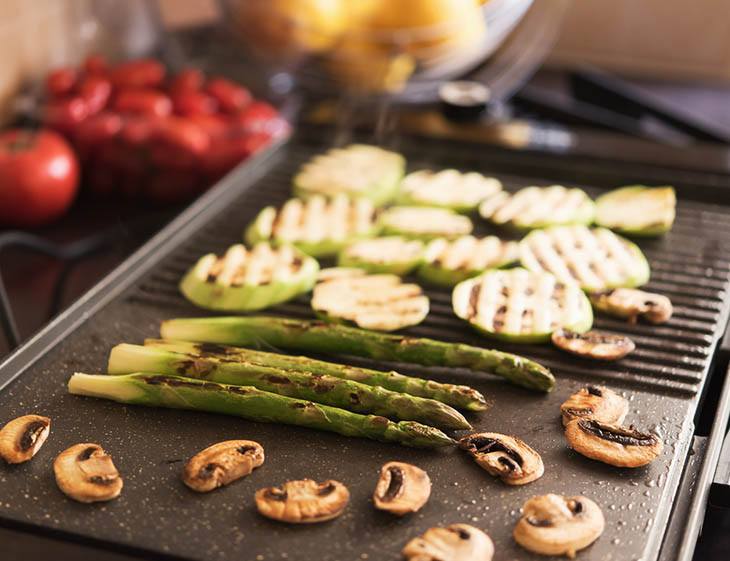
If there’s one addition almost no 2026 wedding skips, it’s the late-night food. After hours of dancing, a proper meal feels like too much, but guests are hungry, so couples are leaning into bacon butty stations, wood-fired pizza slices, loaded fries, or a trolley of mini burgers that appears just as the dance floor peaks. It’s become such an expected feature that some venues now build it directly into their catering packages rather than treating it as an add-on.
Beyond the practical benefit (nobody wants a dehydrated, hungover bridal party the next morning), the late-night snack has become its own moment. It tends to loosen everyone up, brings people back to the dance floor, and often produces some of the most candid, unguarded shots of the night: someone’s aunt with a slice of pizza mid-laugh, the groom sneaking a second bacon roll.
Why the Menu Matters Beyond the Plate
What’s interesting about all four trends is that they share a common thread: they’re designed to be experienced, not just eaten. A plated three-course meal happens and then it’s over. A pasta station, a dietary-inclusive sharing platter, a seasonal menu with a story behind it, a 11pm pizza slice: these are moments, and moments are exactly what couples are prioritising across the rest of their wedding planning too.
That’s also why food has become such a visible part of how couples document their day. The best wedding photographers aren’t just capturing the ceremony and the first dance anymore. They’re catching the steam rising off a station, the look on a guest’s face at the raw bar, the late-night queue for chips. Lumen Atellier, a documentary and fine-art wedding photography studio, has built a reputation around exactly this kind of storytelling, treating the reception, food and all, as part of the narrative rather than an afterthought between the formal portraits.
If you’re planning your menu for 2026, the throughline across every trend here is the same: build a food experience your guests will actually remember, and make sure whoever’s behind the camera is paying attention when they do.